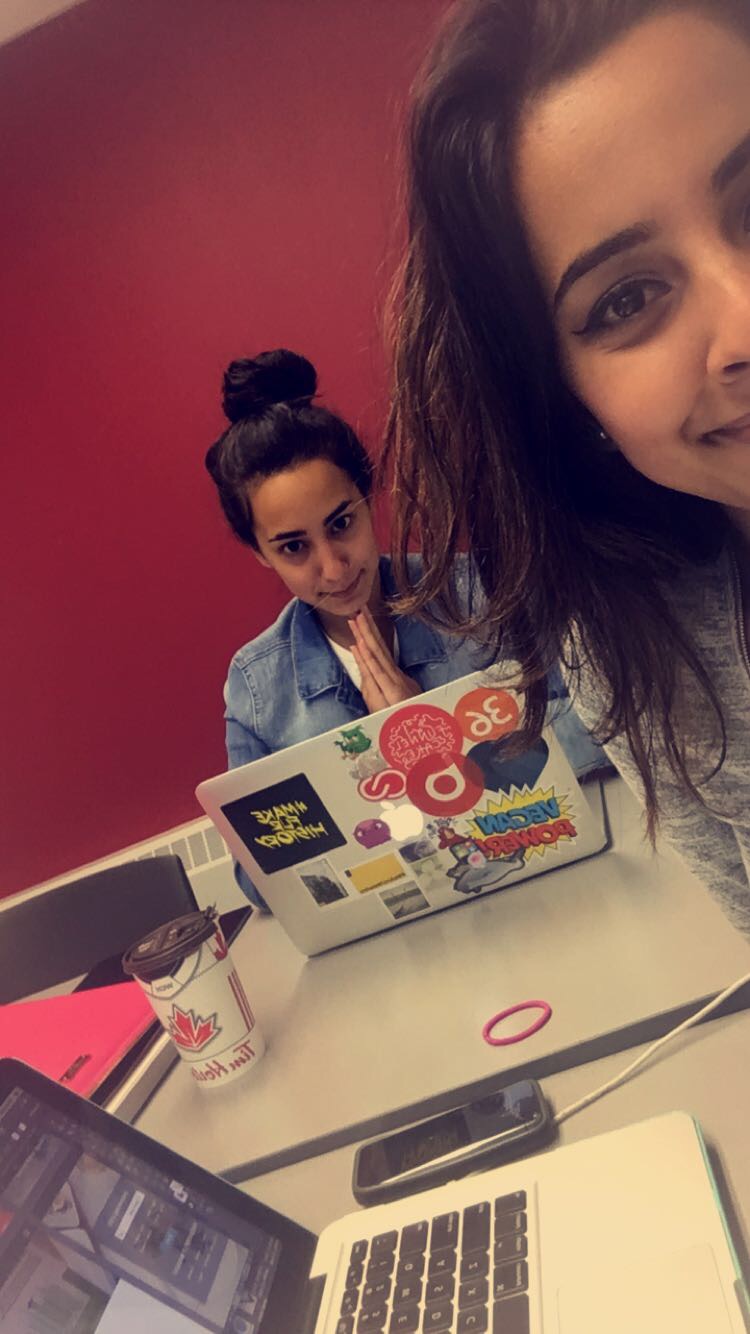
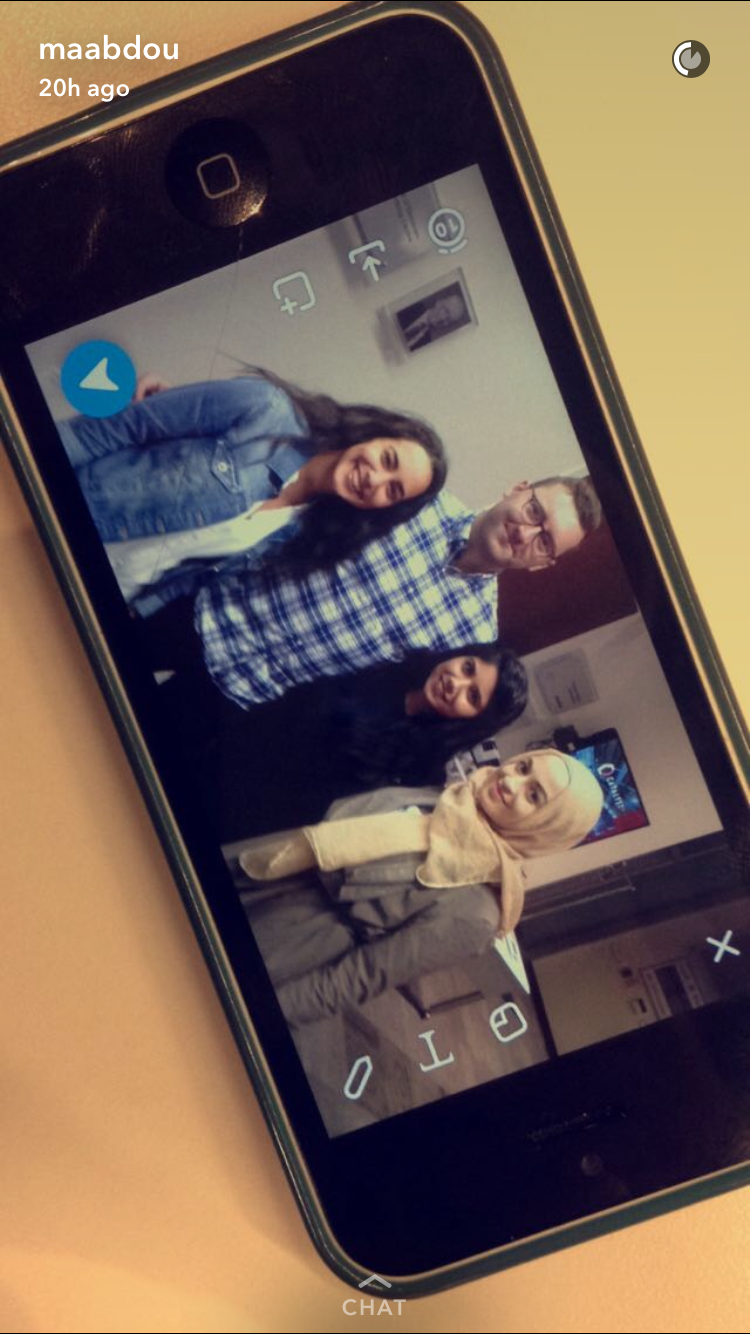
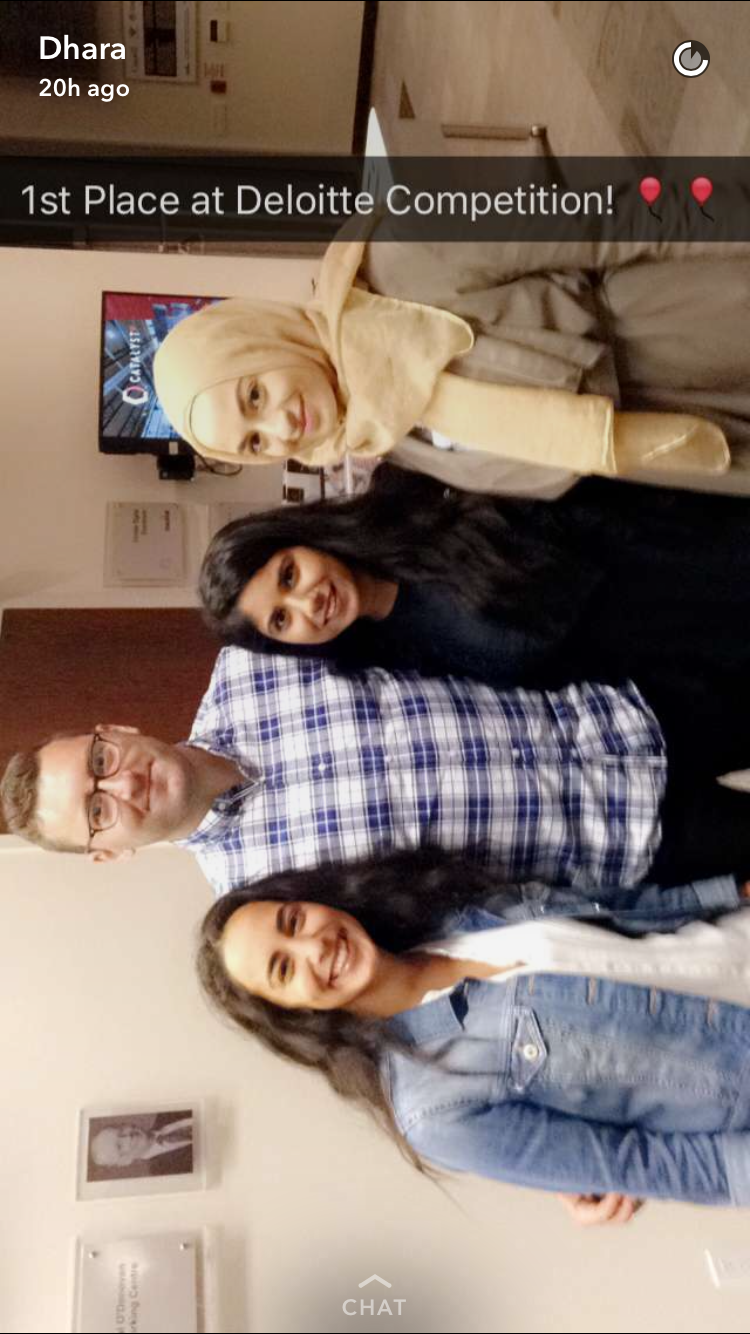
The Design2Disrupt Competition presented us with the challenge of how might IOT be a disruptive solution in the energy industry. As a team we studied the energy industry and brainstormed different solutions based on the problems users face. We came up with the idea of Leveraging data from your IoT connected home to provide you with feedback and advice on how to reduce your energy bills and carbon footprint. The idea of it can be transferable to many platforms such as schools, hospitals and any entity that consumes energy. We won first place for our idea and our interface.
Deloitte’s Energy & Resources specialists provide comprehensive, integrated solutions to all segments of the Oil & Gas, Power & Utilities, Alternative Energy, and Mining sectors. Offering clients exceptionally detailed industry knowledge and a global network, alongside local market delivery.
Our target audience are individuals in their 30-50s and in the middle-to-upper-class demographic. Connectric requires individuals to own IOT connected smart homes so they can connect their devices to our app and receive updates and advice on their daily consumption levels. However, Connectric is also scalable to partner with institutions such as schools, universities, hospitals and mostly areas that consume energy. Based on our research we decided to create this application because:
+ Rising hydro costs have hit Ontarians and the government needs to address people’s concerns who are struggling to pay their bills
+People have to choose between heating and eating.
+Electricity rates are set by the province and they have been increasing steadily as the Ontario government invests in cleaner energy
%20copy.png)
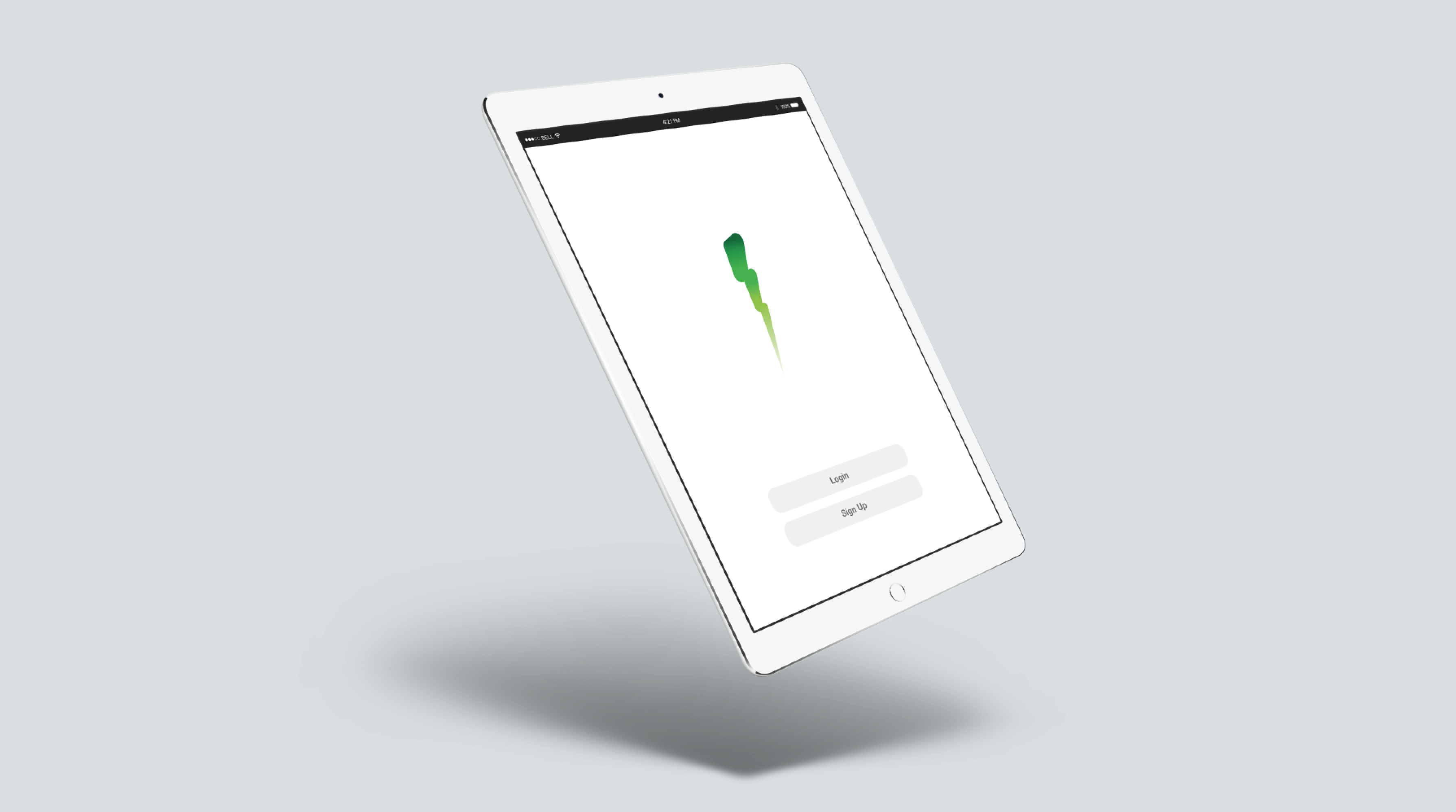
True design is in it's simplicity. That is the foundation of the redesign layout for the application. The images on the right represent the low fidelity prototypes we used to help get our message across. After careful examination of our flow analysis we changed the user interface to the image you see on the left, by prioritizing the most important technical functionalities, adding consistency to our design and restructuring our information architecture. We wanted the dialogue dimension of our interface to present itself as comprehensible, instead of intimidating.
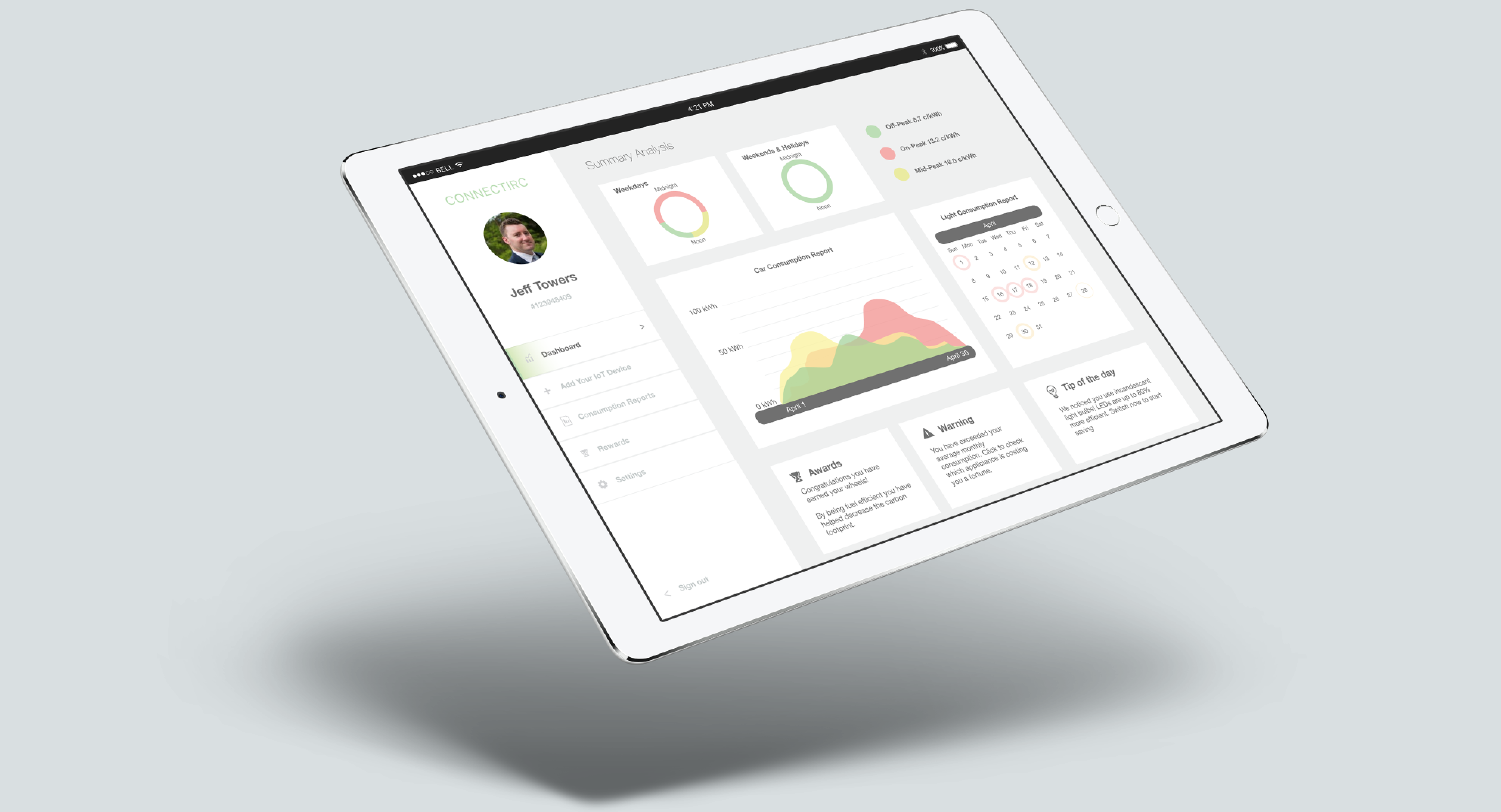
%20copy.png)
When dealing with superfluous amounts of data, such as graphs and statistics, data visualization becomes essential. It is important to keep the messaging simple and allowing the user to hear him/herselfinstead of the designer. It is vital to speak their language. For the data presented on the interface we wanted to make sure that it show more than just the analytics for their energy consumption but to offer tips on how to reduce and tackle the issues presented. We wanted the feedback we provide to have actionable solutions which can later lead them to the result they anticipated.
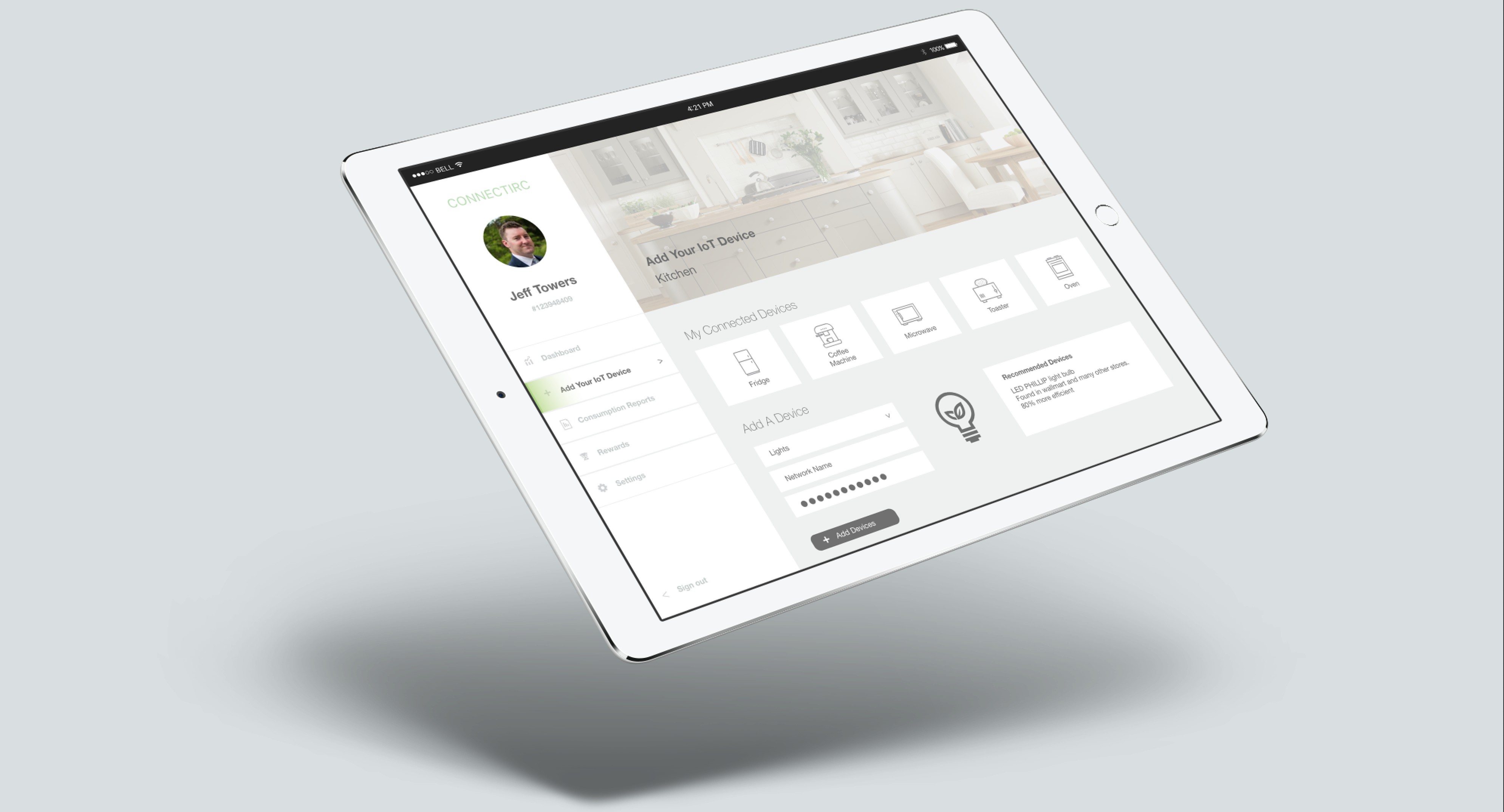
We wanted to empower the user by providing more abstract ways to add and navigate through each device. Based on our user journey, we deduced that connecting an entire home filled with dispersed devices could confuse the user. To have a more concise organizational dimension to our UI we took advantage of how homes are sectioned into rooms and divided the devices on that aspect. This way the user is able to keep track of each device as well as keep the products up to date based on the visual cues we communicate with them about the device.
%20copy.png)
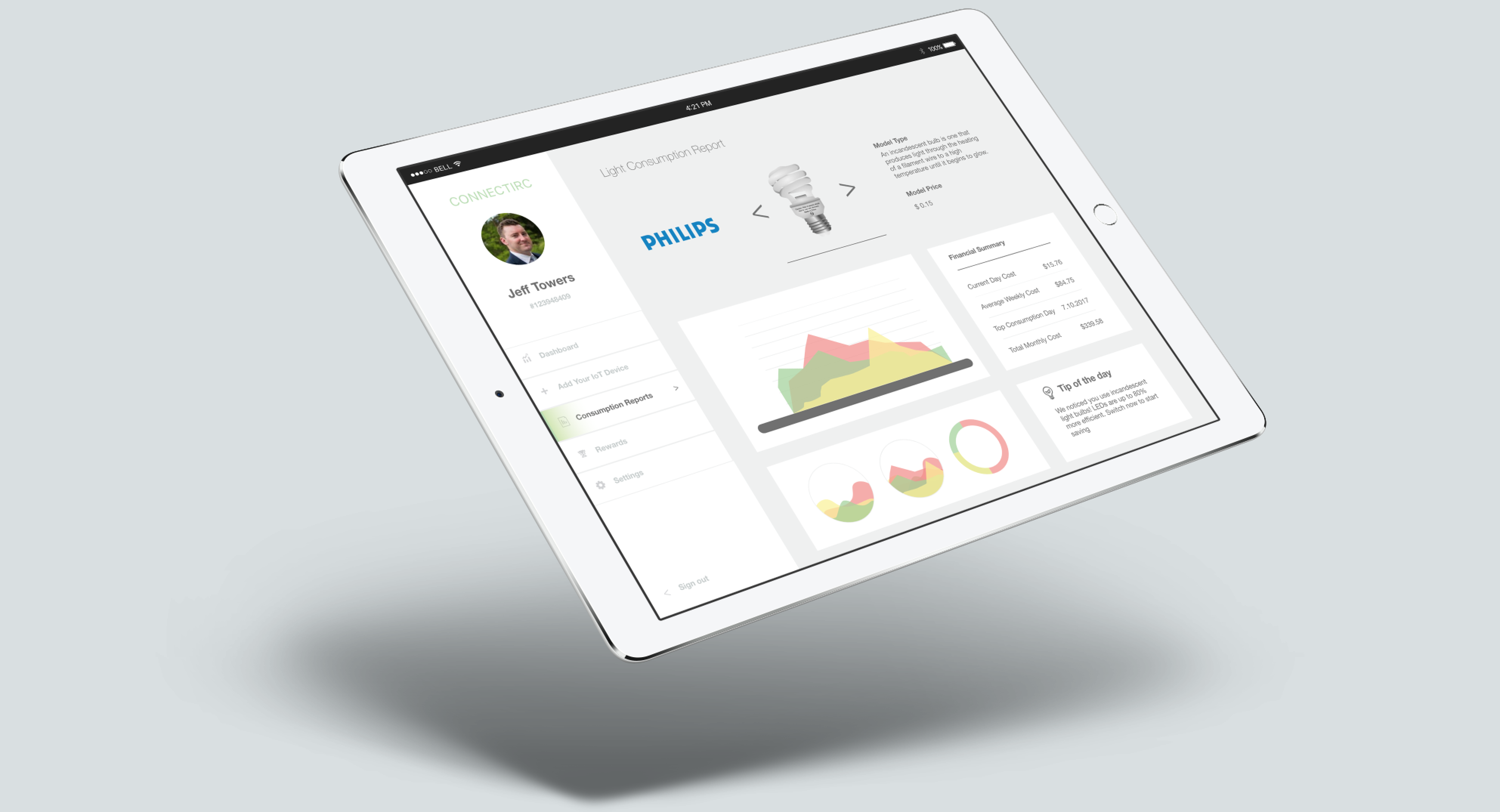
Based on our users biggest concerns our goals were to help them reduce wasted energy by pointing out different rates of consumption throughout the day, which products could benefit them by conserving energy and what to look out for in terms of health or safety. We wanted them to gain more control of their bills through informative decisions purely based on good design of user interface.
" The more user's expectations prove right, the more they will feel in control of the system and the more they will like it."
-Jakob Nielson
" Useability is measured by the extent to which the goals of use of overall system is achieved, accepted and efficient." -Dzida, 1983
" A modern paradox is that it is simpler to create complex interfaces because it is so complex to simplify them."
- Par Almquist